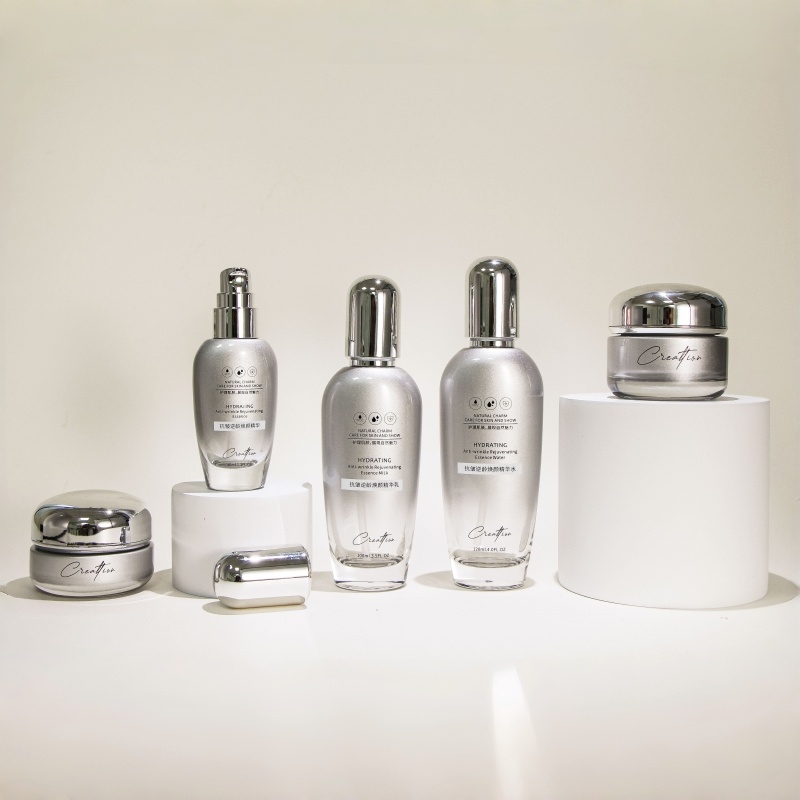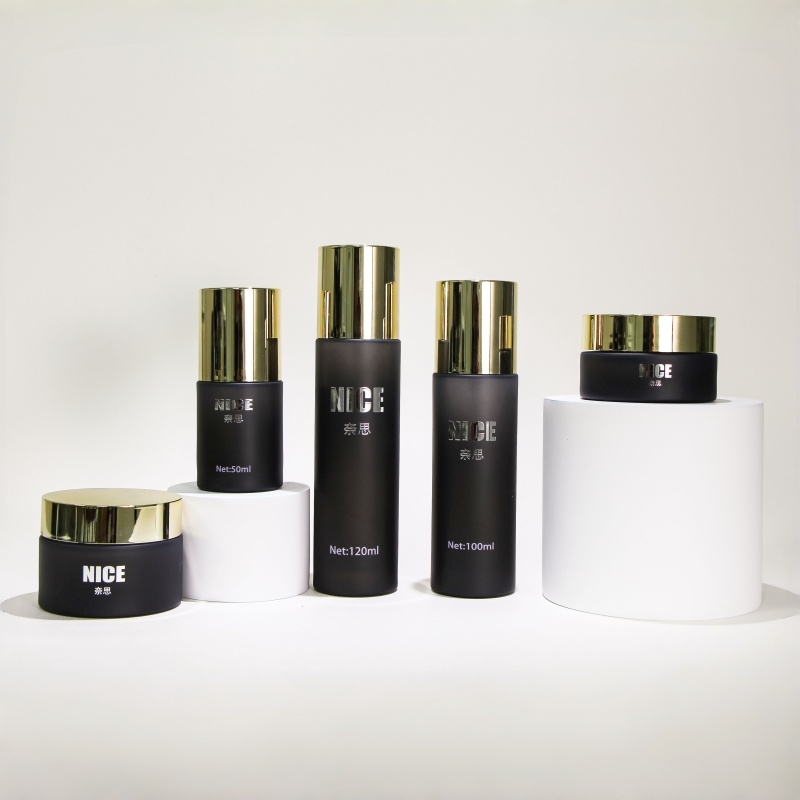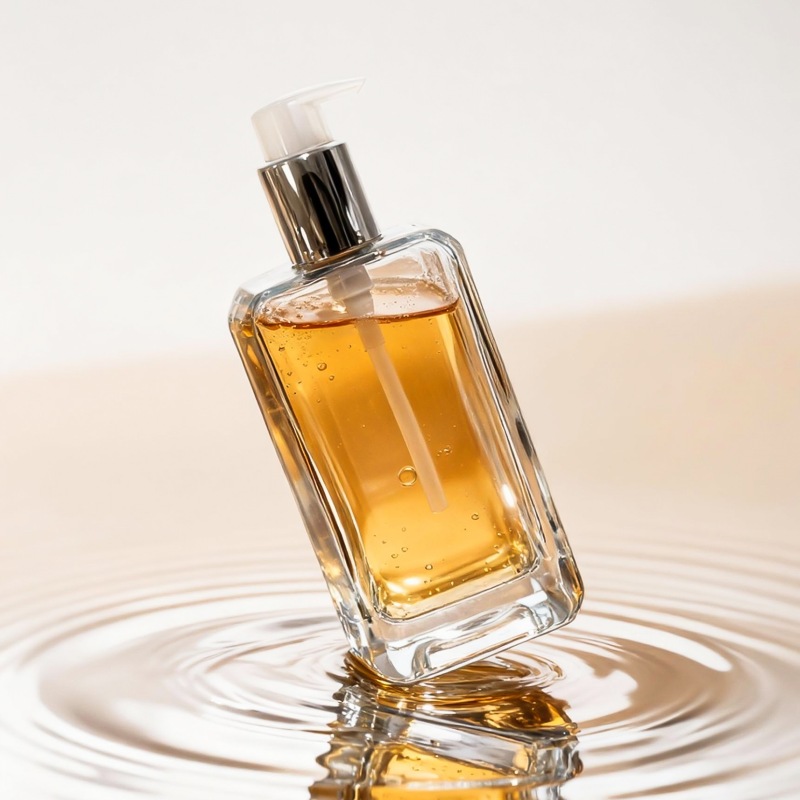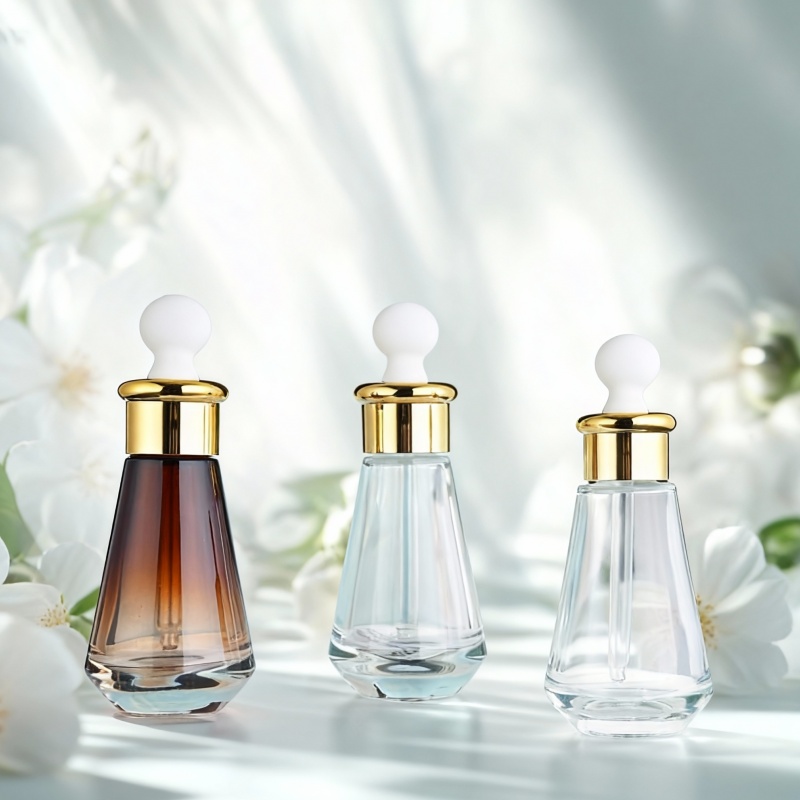

From Quartz Sand to Crystal Vessel: The Precision Craft Behind Cosmetic Glass Bottles
Have you ever held a sleek cosmetic bottle and wondered about its origins? It begins not in a factory, but in the earth, as raw quartz sand. The journey to create a cosmetic glass bottle is a precise fusion of science and artistry, resulting in the chemically stable, beautiful glass packaging that brands and consumers trust.
1. The Foundation: Premium Raw Materials

The story of every glass bottle starts with quartz sand (silica). For high-quality cosmetic packaging, this formula is enhanced:
· Soda ash and limestone lower the melting point and add durability.
· Borosilicate glass components (like borax) are often added for superior chemical stability, ensuring no interaction with sensitive creams, serums, or perfumes.
· Barium oxide and zinc oxide may be included to boost resistance to acids and alkalis.
This precise blend is what makes cosmetic glass bottles safe and inert, perfectly preserving your formulations.
2. The Transformation: High-Temperature Melting & Refining
The mixed materials enter a furnace at scorching temperatures (1550-1600°C). Here, they transform into a molten state. Two critical processes ensure purity and uniformity:
· Clarification: Additives release large bubbles that "sweep" away impurities and small bubbles from the melt.
· Homogenization: The melt is mixed until its composition and temperature are perfectly even, guaranteeing consistent quality in every glass bottle.
Key Point: This stage is crucial for achieving the flawless, clear appearance and consistent material properties required for luxury cosmetic packaging.
3. The Art of Shaping: Precision Molding

The molten glass is then formed. Most cosmetic bottles are made via:
· The Blow-Blow Method: Compressed air shapes the glass into a preliminary form and then blows it into the final mold, perfect for complex shapes.
· The Press-Blow Method: Ideal for wide-mouth jars, a plunger presses the glass into the mold first before blowing.
Key Point: The precision of the mold defines the bottle's smoothness, thickness, and final dimensions, directly impacting aesthetic and functional quality.
4. The Strengthening Ritual: Annealing
Newly formed bottles contain internal stress from cooling. The annealing process is essential:
1. Bottles are reheated to a specific annealing temperature (~500-550°C).
2. They are held, then cooled in a meticulously controlled cycle to relieve stress.
Key Point: Annealing is not optional; it's what transforms fragile glass into a strong, stable, and safe cosmetic container, preventing future breakage.

Conclusion: More Than Just a Bottle
The metamorphosis from sand to cosmetic glass bottle is an epic of human ingenuity. It results in packaging that is:
· Chemically Stable: Safely housing any formulation.
· Aesthetically Pure: Offering a premium feel.
· Infinitely Recyclable: Aligning with sustainable brand values.
For brands, choosing this craftsmanship means choosing a "silent spokesperson" for quality, purity, and luxury.