
Cosmetic Dropper Bottle Buying Guide: The Importance of Small Containers
With the increasing popularity of skincare products, essential oils, and serums, dropper bottles, seemingly simple containers, are quietly becoming a common sight in our lives. Whether it's a small glass bottle holding precious serums or a brown light-proof bottle for dispensing essential oils, their importance may be underestimated. A suitable dropper bottle not only allows for precise dosage control and effective preservation of contents but also affects user safety and experience. We'll discuss the key points for choosing dropper bottles to help you make an informed choice.
Material First: Balancing Safety and Properties
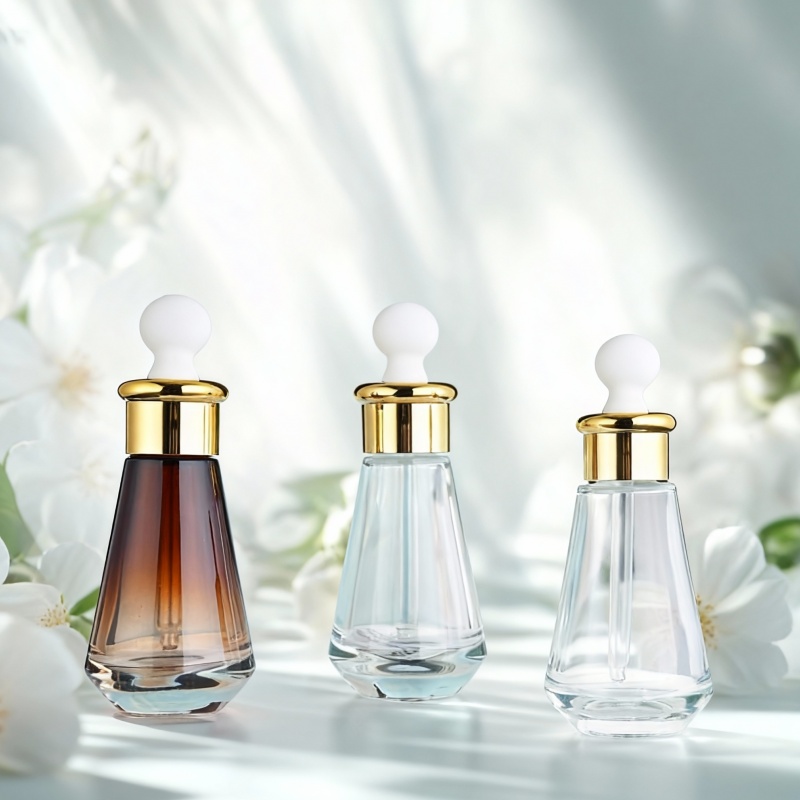
The material of the dropper bottle directly affects the safety and stability of its contents. Currently, the main materials are glass and plastic. Glass bottles are chemically stable and less likely to react with the contents, making them especially suitable for products that are sensitive to acidity or alkalinity or have high levels of active ingredients, such as vitamin C serums and certain pharmaceutical preparations. Brown or dark blue glass bottles, in particular, offer good light protection, effectively protecting photosensitive substances.
Plastic bottles are favored for their lightweight, durability, and low cost, but special attention should be paid to the type of plastic when purchasing. It is recommended to choose plastic bottles made of PET or HDPE, as these materials are safer and more resistant to chemical corrosion. Regardless of the material chosen, it is essential to ensure that it meets relevant safety standards and is free of harmful substances such as bisphenol A (BPA), which is crucial for products that come into direct contact with skin or are ingested.
Droplet Precision: Mastering the Art of Millimeter-by-Millimeter Control
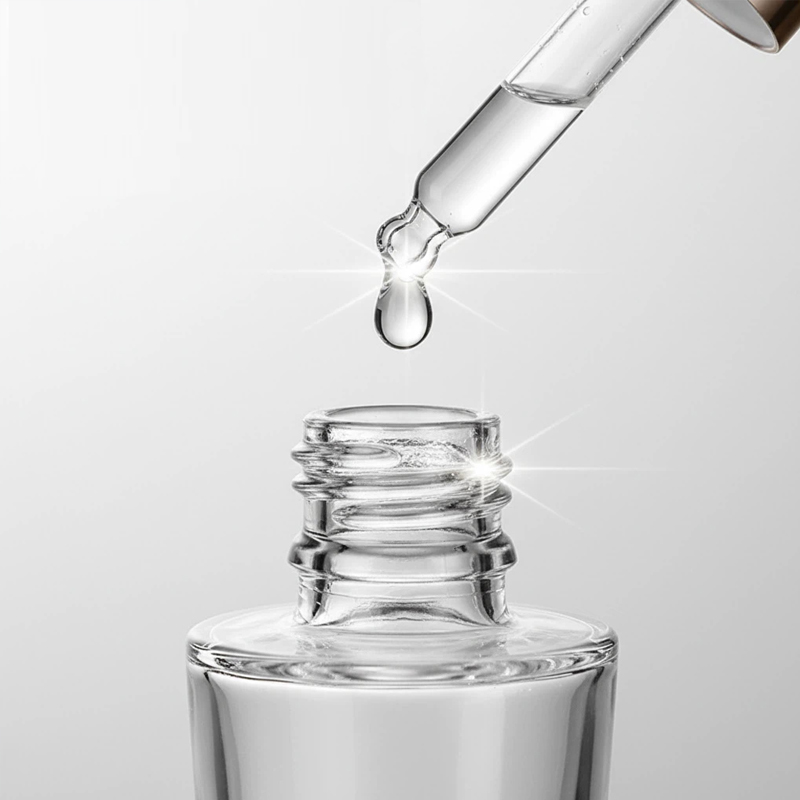
The core function of a dropper is precise dispensing. A high-quality dropper should have good sealing properties and a consistent dispensing volume. When purchasing, pay attention to the following:
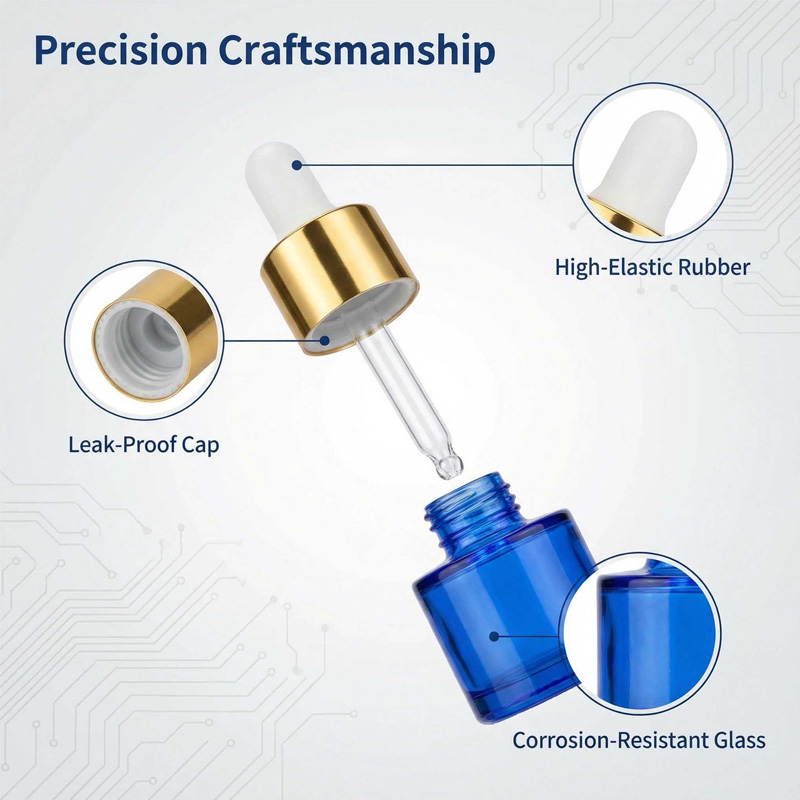
• Rubber Tip Elasticity: The rubber tip should be moderately soft and rebound quickly, directly affecting the smoothness of dispensing and the accuracy of the dispensing volume. A smooth, non-restrictive feel when pressed is preferable.
• Glass Tube End: Usually long and thin with a pointed tip, the opening should be smooth and flat to ensure regular droplet formation and prevent dripping or sticking to the sides of the container.
• Overall Fit: After inserting the dropper into the bottle, it should fit tightly against the bottle opening to prevent air from entering and causing oxidation of the contents. Tilt or invert the bottle to check for any leakage from the connection point.
For applications requiring extremely high precision (such as laboratory work or specific drug treatments), seek professional droppers with calibration scales.
We at NAISI Packaging also offer such droppers; please contact us if needed.
Sealing and Preservation: The Barrier Protecting the Contents
A good sealing system is essential for maintaining the freshness and efficacy of the product. The sealing gasket inside the cap (usually made of rubber or silicone) is crucial. It should be flexible and able to form a tight pressure seal with the bottle opening. Silicone gaskets are often preferred due to their superior corrosion resistance and temperature resistance. When purchasing, check if the cap tightens securely. A simple test is to fill the bottle with water, invert it, and shake it gently to observe for any leakage.
Also, consider the preservation requirements of the contents. If the product needs to be stored away from light (such as most essential oils and some photosensitive skincare products), a dark glass bottle or a completely opaque plastic bottle is essential. If air isolation is required (such as easily oxidized antioxidant serums), consider bottle types with an inner stopper or a special venting design.
Suitability and Details: A Complete Experience to Meet Your Needs
Choosing a dropper bottle ultimately depends on its specific purpose:
• Capacity Matching: Choose the appropriate capacity based on your daily usage to avoid product spoilage due to prolonged opening. Common capacities include 5ml, 10ml, and 30ml.
• Bottle Neck Design: Wide-mouth bottles are convenient for filling viscous liquids or dispensing solids, but sealing them is more challenging; narrow-mouth bottles are better for dropper operation and sealing.
• Usage Scenarios: For everyday home use, convenience and aesthetics may be more important; for travel, leak-proof design and lightweight construction are necessary; for professional or medical use, accuracy and material safety must be prioritized.
Furthermore, some user-friendly details can enhance the experience, such as clear and accurate volume markings, a comfortable grip design, and a label area. In conclusion, choosing a dropper bottle is a matter of meticulous attention to detail. It's not just a container, but a crucial tool for safeguarding product value and enhancing the user experience. From material safety to functional design, every consideration reflects a commitment to product quality. NAISI Packaging, with years of experience in the packaging industry, understands these key aspects and can better help you make the most suitable choice for your needs within this limited space.