Русский
 English
 日本語
日本語 Deutsch
 한국어
한국어 العربية
 Türkçe
 Português
 Français
How Beauty Brands Control Packaging Costs Without Sacrificing a Premium Look
Premium cosmetic packaging does not have to begin with a custom mold or a long list of decorative processes.
For many beauty projects, a premium impression comes from something more practical: quality glass, balanced proportions, coordinated components, and carefully executed finishing.
This matters especially for growing skincare, fragrance, and private Russian brands. Packaging budgets cover far more than the glass bottle itself. Sampling, closures, decoration, inventory, export packing, and international freight all contribute to the final commercial cost.
Experienced procurement teams therefore look beyond the bottle quotation.
They consider where packaging investment creates visible value and where standardization can improve purchasing efficiency. This approach helps control cosmetic packaging cost while keeping the final presentation aligned with premium brand positioning.
For many projects, the opportunity lies in six areas: focused decoration, standardized neck specifications, established glass bottle designs, shared closure components, coordinated purchasing, and better shipping planning.
Reduce Unnecessary Decoration Processes
Decoration can turn a standard cosmetic glass bottle into recognizable branded packaging. The key is choosing each finish for a clear visual purpose.
A premium bottle can work beautifully with a focused decoration concept.
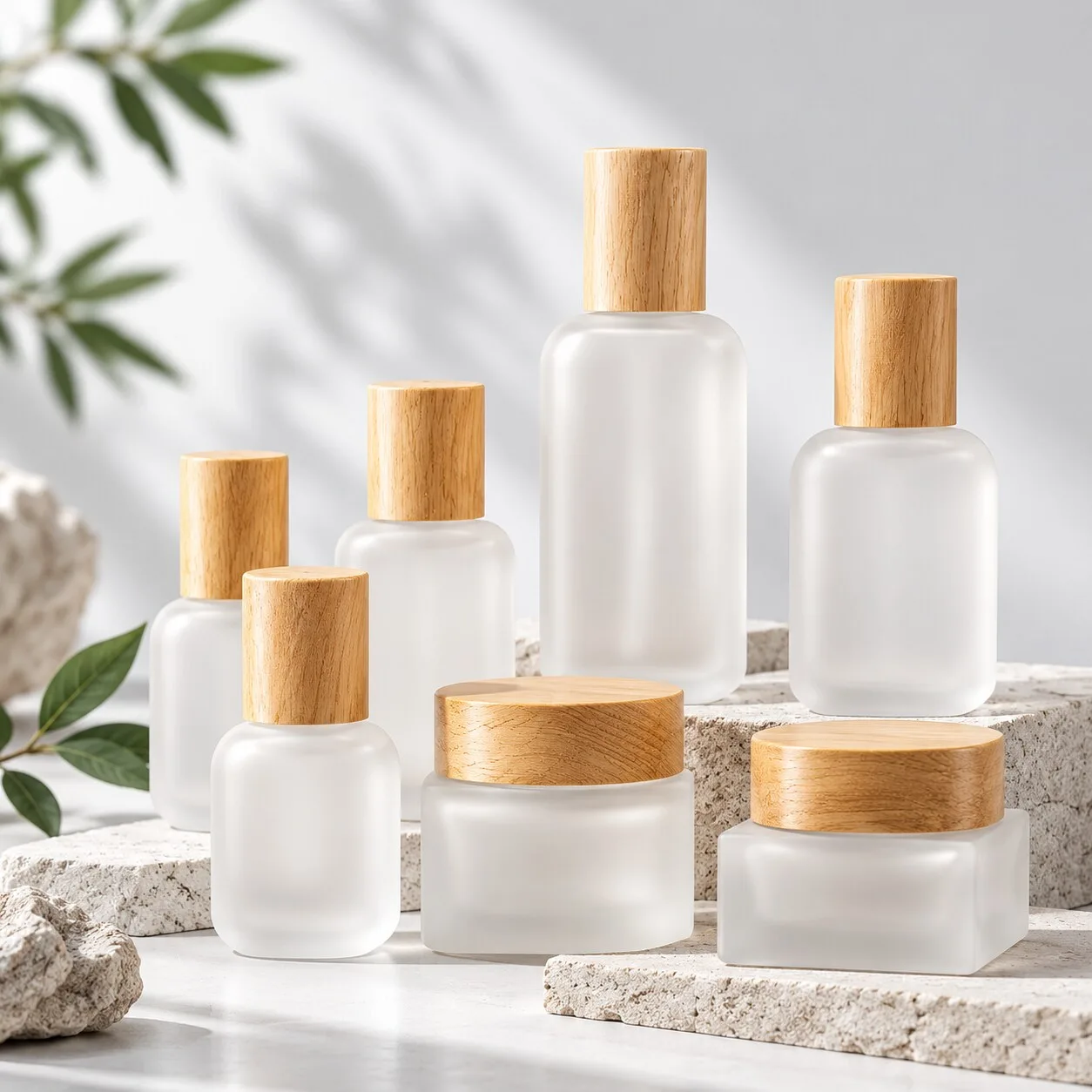
For a minimalist skincare collection, a consistent frosted appearance combined with restrained silk screen printing may already create the intended identity. A fragrance bottle may use a custom color with a small metallic logo detail. Clear, high quality glass paired with precise printing can also produce a refined presentation with very little visual complexity.
The first sourcing question should be:
What is the main visual feature customers should notice?
Once that priority is clear, decoration decisions become easier.
Every additional processing stage involves handling, production coordination, inspection, and approval. A design combining several finishes also requires those finishes to work together consistently across commercial production.
This has a direct effect on project planning and cosmetic packaging cost.
For example, a custom coated bottle with screen printing already contains two strong visual elements. An additional decorative feature makes sense when it contributes something specific to the brand concept. When the desired appearance is already complete, budget can be directed toward better execution of the existing finishes.
Physical samples are particularly useful here. They allow buyers to judge color, gloss level, logo placement, metallic details, and closure coordination on the assembled package rather than relying only on a digital rendering.
A focused decoration plan also creates clearer production references. Procurement teams have fewer appearance variables to coordinate, while suppliers can concentrate on consistency within the approved design.
Premium presentation comes from control and precision. A carefully executed finish often creates more value than adding visual complexity for its own sake.
Unified Bottle Neck Specification
One of the less visible ways beauty brands manage packaging efficiently is through technical standardization.
The bottle neck is a good example.
A growing skincare collection may include serum bottles, lotion bottles, foundation containers, and treatment products. Where formula characteristics, dispensing methods, bottle design, and neck finish allow, using compatible neck specifications across selected products can simplify component sourcing.
This may reduce the number of unique pumps, droppers, collars, or closures that the procurement team needs to manage.
The benefit extends beyond the first purchase.
A standardized component system can make inventory planning clearer and create a technical framework for future product development. When a new SKU is introduced, the brand can first evaluate whether an approved closure family is suitable before developing another component configuration.
Technical compatibility remains the priority.
Two bottles with similar looking necks can still have different dimensions or closure requirements. A pump intended for one neck finish should be confirmed against the technical specification of the selected bottle. Dip tube length, gasket configuration, dispensing output, and formula characteristics may also influence the final assembly.
This is why standardization works best when the bottle supplier, component supplier, filler, and brand work from confirmed specifications.
The objective is to create common technical standards where product requirements naturally support them, while keeping dedicated dispensing solutions for products that need them.
For brands planning several SKUs, this type of standardization can become a valuable part of long term beauty packaging cost management.
Stock Ready Made Bottles
Custom bottle development has an important role when a proprietary silhouette is central to brand identity. Yet many beauty launches can achieve a distinctive premium presentation with an established glass bottle shape.
This is particularly useful during early product development.
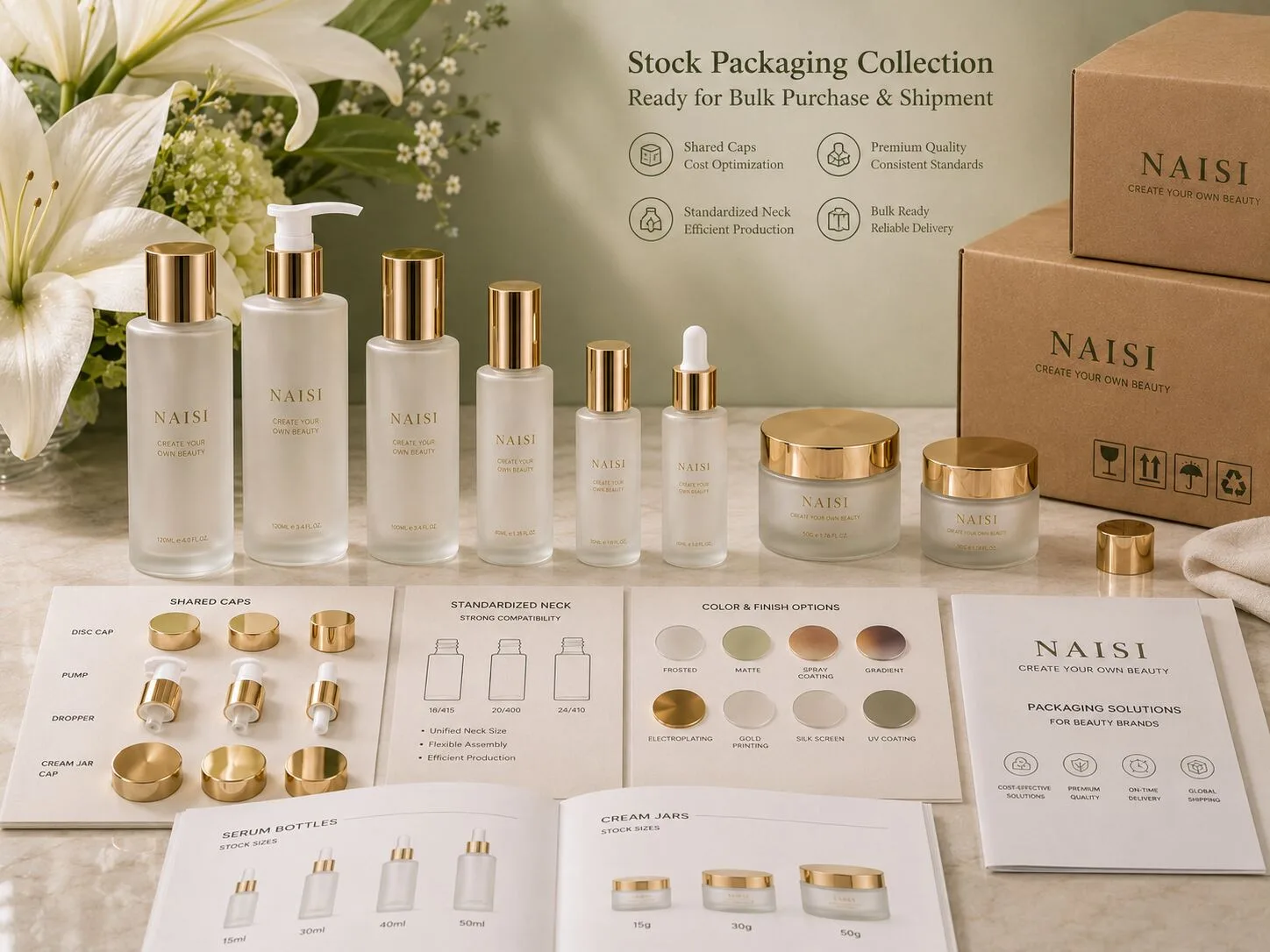
An existing bottle design removes the bottle mold development stage from the project. Depending on current inventory and supplier arrangements, some standard designs may also be available as stock bottles for faster sampling or purchasing.
It is useful to distinguish the two terms.
A stock bottle has available inventory when the order is discussed. An existing mold bottle already has established tooling, although production may still need to be scheduled when current inventory is unavailable.
Both routes can reduce development complexity compared with creating a completely new bottle structure.
The design opportunity then moves toward the elements consumers actually see and touch.
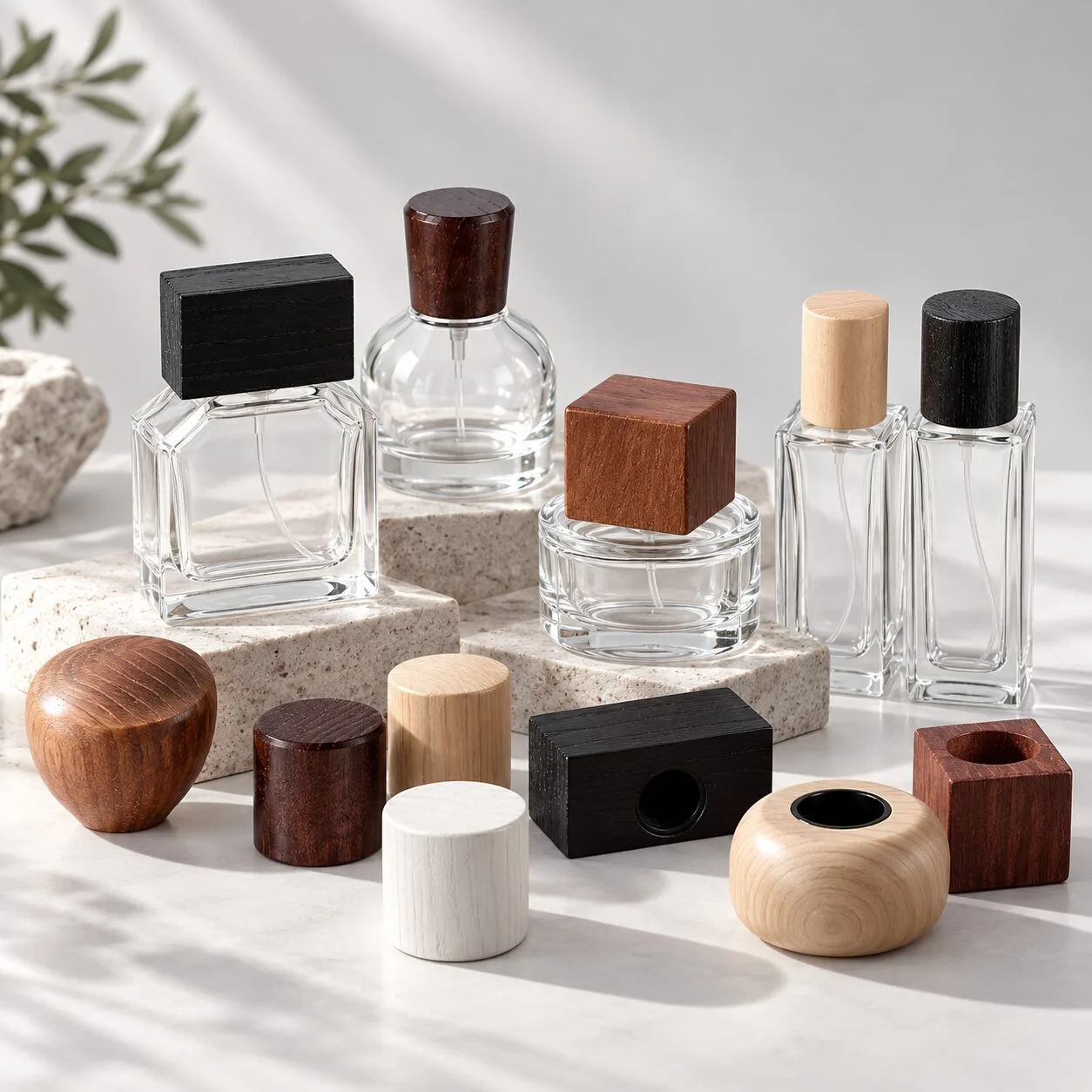
Color can establish the mood of the collection. Frosting can soften the appearance of clear glass. Silk screen printing can introduce restrained typography. Hot stamping can provide a selected metallic detail. The pump, dropper, or cap can then connect the bottle with the wider brand identity.
This is why ready made cosmetic glass bottles can work across different beauty market positions.
A well proportioned standard bottle with carefully selected decoration can support premium skincare, fragrance, foundation, and treatment collections. The final perception comes from the complete package rather than the exclusivity of the mold alone.
This route also gives emerging brands a practical way to evaluate market response before committing to proprietary tooling.
Bottle selection should consider future development as well. If a brand plans to add lotion, serum, cream, or foundation products later, choosing a bottle family with related capacities or complementary jar formats can make collection expansion easier.
That turns an individual packaging purchase into a more scalable sourcing decision.
Shared Cap Components
Closures are a major part of how consumers experience cosmetic glass packaging.
They also provide an opportunity for sensible standardization.
Suppose a skincare collection includes several bottles with technically compatible neck specifications and similar proportions. Where product and dispensing requirements permit, the brand may be able to use a coordinated closure family across several SKUs.
This creates visual and operational benefits.
From a design perspective, repeated cap colors, pump finishes, collars, or material directions help different products feel like members of the same collection. A clear serum bottle and a frosted lotion bottle can still look closely related when their closures share the same matte black, white, or metallic visual language.
From a purchasing perspective, reducing unnecessary component variation can make inventory easier to manage.
Instead of handling several visually similar components with small specification differences, procurement teams can focus on a smaller set of approved configurations where technically suitable.
Functional requirements come first.
A serum dropper, lotion pump, fragrance sprayer, and foundation pump perform different jobs. Even within the same product category, formula viscosity, dosage expectations, bottle height, dip tube configuration, and neck specification influence component selection.
Shared components should therefore be based on confirmed technical compatibility rather than appearance alone.
Physical assembly samples are valuable before standardizing a component across a product range. Buyers can evaluate fit, operation, proportion, color relationship, and overall hand feel using the complete package.
A well planned closure strategy supports brand consistency and purchasing efficiency. It can also make future line extensions easier because the brand already has an established component language to work from.
Combined Bulk Purchasing
Packaging purchasing becomes more efficient when brands plan beyond one SKU at a time.
Consider a brand preparing a 30ml serum, a 50ml lotion, and a 50g cream product for the same collection. Treating each package as an isolated purchasing project can create separate component decisions, different production schedules, and fragmented inventory planning.
A collection level forecast provides a clearer view.
Procurement teams can identify which glass bottles use related specifications, which closure finishes can be coordinated, and which decoration requirements can follow the same visual standard. The supplier can also understand the broader product roadmap rather than quoting each container without context.
Purchasing efficiency works best when it remains connected to realistic demand.
Inventory carries commercial cost. Glass bottles require warehouse space, while decorated components represent committed capital. Branding updates, product revisions, or changes in sales forecasts can also influence future packaging requirements.
A useful purchasing plan therefore balances order efficiency with realistic consumption.
For established SKUs with predictable demand, coordinated purchasing may simplify repeat orders and production planning. For a new launch, a more conservative quantity can preserve flexibility while the brand gathers market feedback.
Shared specifications become especially useful as the product line grows.
If several bottles use the same closure color or decoration reference, future purchasing can follow a more repeatable standard. Approved artwork, color references, physical samples, and component specifications also make reorder communication clearer.
For buyers comparing cosmetic packaging wholesale options, this broader view is more useful than focusing only on the quoted price of one bottle.
The objective is efficient purchasing across the complete packaging program, with stock levels that reflect the brand's real sales plan.
Shipping Optimization
A glass bottle with an attractive factory price can tell a different cost story after freight, packing, handling, and destination charges are included.
This is why experienced buyers review total landed cost rather than bottle unit price alone.
Glass packaging has substantial weight, and bottle geometry influences how efficiently products can be arranged in export cartons.
A substantial thick base may support a luxury visual direction, especially for fragrance or premium skincare. At the same time, bottle weight and carton configuration contribute to the shipping profile of the order.
These factors are worth considering during bottle selection.
Component packing matters as well.
Pumps, droppers, caps, and collars may be packed separately from glass containers according to the packaging configuration. Decorated bottles may require suitable separation or surface protection to preserve their appearance during transportation.
Good export packing therefore needs to balance protection with practical logistics.
Production timing creates another opportunity for cost planning.
When several packaging items are sourced for the same project, coordinating completion dates may allow them to move in a consolidated shipment where commercially practical. This can simplify receiving and help the buyer plan around a more coordinated supply schedule.
Freight strategy also depends on project priorities. Sample shipments, urgent launch quantities, and commercial volume orders can follow different logistics routes. The appropriate choice depends on volume, weight, destination, timing, and the agreed Incoterms.
For procurement teams evaluating cosmetic packaging cost, logistics belongs in the calculation from the beginning.
A competitive unit price represents only one part of the commercial picture. A more useful comparison considers the glass container, closures, decoration, export packing, freight, and inventory implications together.
That is the cost picture that ultimately matters to the business.
Final Thoughts
Premium packaging is less about adding cost and more about placing investment in the right areas.
A refined glass bottle with balanced proportions, a controlled finish, precise branding, and well coordinated components can communicate premium value while keeping the sourcing structure practical.
The procurement strategy behind that appearance matters just as much.
Focused decoration helps control processing complexity. Unified neck specifications can simplify component planning where technically suitable. Stock and existing mold bottles give brands access to established designs while leaving room for visual customization.
Shared closure families can strengthen collection identity. Coordinated purchasing creates a clearer framework for multiple SKUs. Shipping planning brings the final decision back to total landed cost rather than the bottle quotation alone.
Together, these choices create a more practical approach to managing cosmetic packaging cost.
For growing beauty brands, a useful principle is to standardize technical elements where shared specifications make sense, then invest carefully in the details consumers actually see and touch.
That might be the clarity of the glass. It could be the bottle proportions, the smooth appearance of a matte surface, the precision of a printed logo, or the way the cap visually completes the package.
Premium perception is built through those details.
At NAISI Packaging, we supply stock and custom cosmetic glass bottles for skincare, fragrance, and beauty projects, with options for frosting, sandblasting, silk screen printing, hot stamping, spray coating, and coordinated components.
Want to control packaging costs while keeping a premium glass presentation? Explore stock bottle options, coordinated components, and suitable decoration solutions with NAISI Packaging for your next beauty packaging project.
🏭 Watch Our Фабрика Production Videos