Français
 English
 日本語
日本語 Deutsch
 한국어
한국어 العربية
 Русский
 Türkçe
 Português
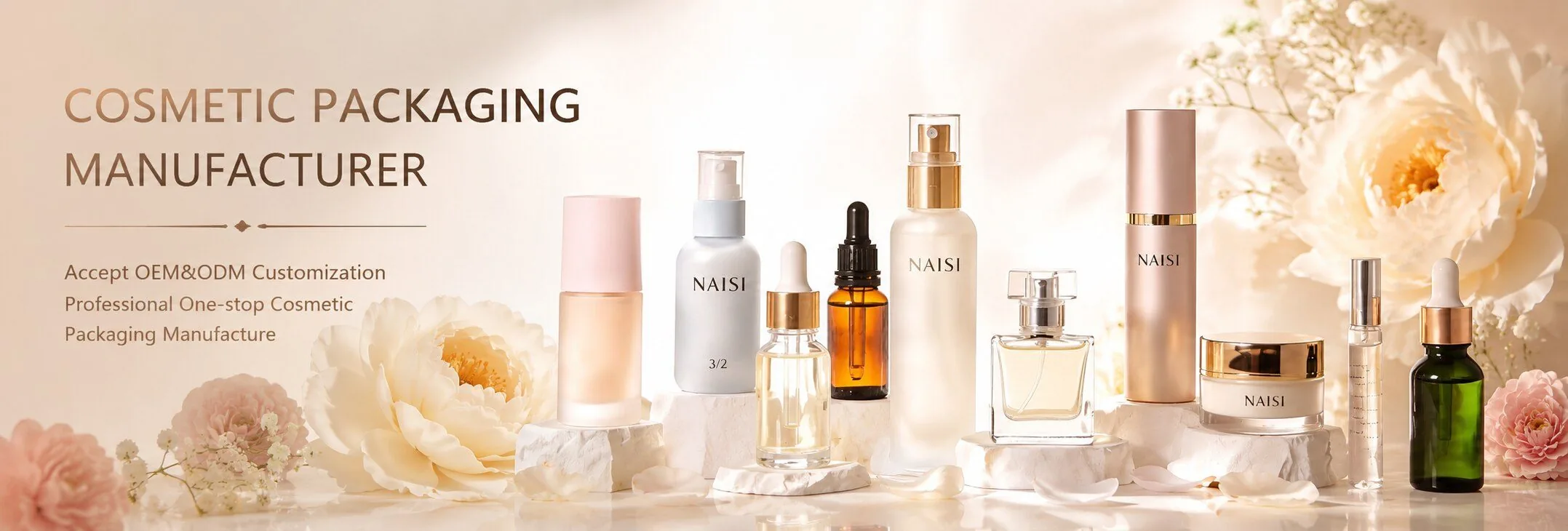
What Cosmetic Packaging Buyers Always Ask Before Placing Their First Order
Choosing a beautiful glass bottle is only the first step in a cosmetic packaging project.
Before placing an order, buyers usually need answers to much more practical questions. How many bottles can I order? Are the pumps available at the same quantity? How long will customization take? Can I see a decorated sample first? Who handles the freight?
These questions become even more important when one package combines a glass bottle, pump, dropper, cap, collar, and custom decoration.
From our experience working with beauty packaging projects, many first order challenges become easier once the complete package is discussed early. A bottle may be available from stock while a custom colored cap follows a different production requirement. A standard bottle shape may be ready for decoration while a new mold requires a separate development process.
This Cosmetic Packaging FAQ focuses on the questions beauty brands, packaging designers, and procurement teams commonly ask before sourcing cosmetic glass packaging for the first time.
MOQ
“What is your MOQ?” is usually one of the first questions we receive.
The more useful question is:
What is the MOQ for each part of my complete packaging configuration?
A finished cosmetic package may include the glass bottle, pump, cap, dropper, collar, and one or more decoration processes. Each part can follow different manufacturing processes, component supply chains, and production requirements.
That means the purchasing threshold for the bottle may differ from the threshold for a custom cap or decorated surface.
It also helps to distinguish between three sourcing situations.
An in stock bottle refers to a product with available inventory at the time of inquiry.
A standard bottle produced from an existing mold already has an established bottle design and tooling, although current inventory and production scheduling still need to be confirmed.
A custom molded bottle requires dedicated product development and tooling based on the buyer's design.
This distinction matters for first time buyers.
For example, a brand may find a suitable 30ml serum bottle available from stock. The standard pump may also be available. If the project then requires a custom colored pump or special decoration, that part of the package can introduce a different MOQ.
One situation we often see is a buyer focusing on bottle quantity first and discussing accessories later. Reviewing the entire configuration at the quotation stage gives a much clearer picture of the real purchasing requirement.
Future product planning is useful here too.
If your roadmap includes a serum, lotion, and cream jar, share this with the supplier. There may be opportunities to coordinate closure colors, decoration styles, or component families across several SKUs.
MOQ planning works best when it starts with the complete package rather than the bottle alone.
Lead Time
Lead time becomes much easier to understand when it is divided into stages.
A standard glass bottle with existing components follows a different schedule from a newly developed bottle with custom tooling, custom color, and several decoration steps.
For most projects, buyers should separate sampling time from commercial production time.
A standard undecorated sample allows the team to review bottle shape, capacity, proportions, glass appearance, and component fit.
A customized sample adds further preparation. Artwork needs to be confirmed. Color references may need to be supplied. Decoration is then applied to the bottle for visual approval.
Custom bottle development follows a longer route because the project may include technical drawing confirmation, tooling, glass sampling, evaluation, and adjustment before commercial production.
A common first order scenario is a brand setting its launch date before the final decoration and components have been approved. A more practical approach is to establish the packaging route first, then build the launch schedule around confirmed production stages.
Ask your supplier:
Which bottles and components are currently available?
Which items require new production?
Which customization steps require physical samples?
How much approval time should the brand reserve?
When can commercial production begin after final approval?
Decoration also affects the schedule. A bottle with a simple logo application follows a different production flow from a project involving custom color plus additional decorative elements.
Quality review and export preparation also need their own place in the timeline.
For B2B cosmetic packaging sourcing, a realistic lead time is therefore a project schedule rather than a single number.
Logo Customization
Logo customization can give a standard glass bottle a clear brand identity without changing the bottle structure.
For cosmetic glass packaging, silk screen printing and hot stamping are commonly considered, depending on the bottle surface, artwork, geometry, decoration specification, and desired visual result.
Silk screen printing works well for many logos, product names, and selected graphic details. Hot stamping can introduce a controlled metallic accent for logos or other suitable design elements.
Start with good artwork.
Vector files are usually more practical for production because the logo can be accurately scaled and positioned. The supplier should also know the intended color, dimensions, and location.
Printable area matters as well.
A cylindrical serum bottle offers a different printing surface from a square foundation bottle. Strong curves, shoulders, corners, and other geometric details can influence where artwork can be applied consistently.
Logo size is another detail worth reviewing on a physical sample.
A mark that looks balanced on a large design file can feel oversized once it appears on a 30ml bottle. The cap or pump may also change the visual proportions of the complete package.
For this reason, logo approval should ideally consider the assembled packaging.
A restrained metallic detail can coordinate with a champagne colored closure. Fine black typography may work well with clear glass. White printing can create a clean contrast against a darker custom color.
The goal is simple: the logo, bottle, finish, and closure should read as one design.
Color Customization
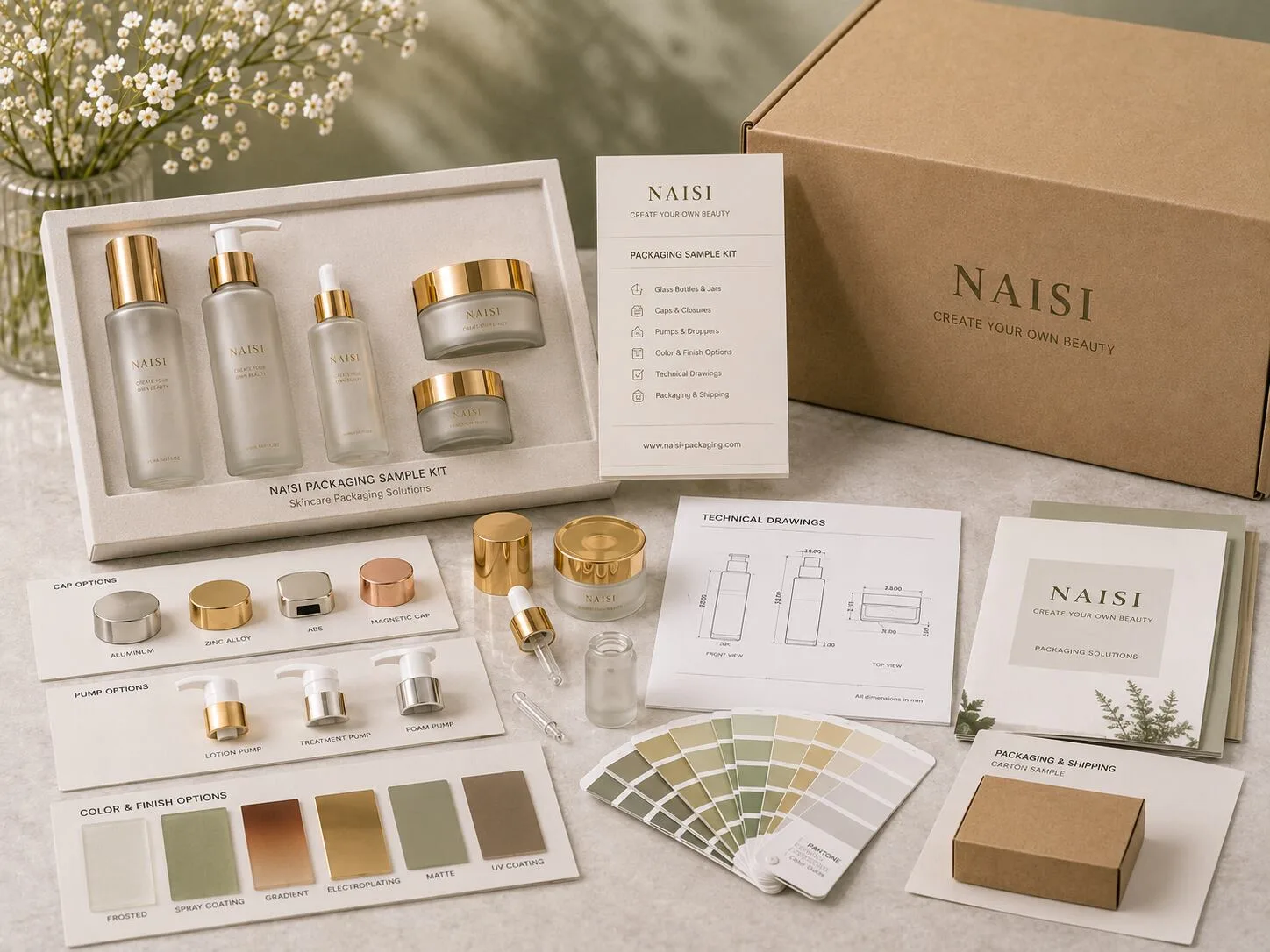
Custom color is one of the most practical ways to create differentiation with an established glass bottle shape.
The process starts with a clear visual reference.
A Pantone reference may be used as a communication target for suitable decoration processes. A physical color reference can provide additional context when the brand has a very specific visual direction.
The final appearance should then be evaluated on the actual bottle.
Color interacts with glass transparency, bottle geometry, glass distribution, surface appearance, and lighting. A curved bottle can reflect light differently from a flat sided container. A heavy glass base can create more visual depth than the main body.
Buyers should therefore describe the intended appearance as well as the target color.
Should the bottle have an opaque appearance?
Is some transparency part of the design?
Does the brand prefer a matte or glossy surface?
For a gradient concept, where should the transition begin and how should the color intensity change?
These details create a much clearer production reference.
One practical lesson from custom color projects is that the bottle should be evaluated with its closure. A black pump, metallic cap, or white dropper collar can change how the overall color composition feels.
Physical samples are particularly valuable at this stage.
Once the color direction and overall appearance are approved, keeping a physical reference gives both the buyer and supplier a clearer benchmark for production.
Mold Tooling
A custom mold can create a proprietary bottle shape, but many beauty brands can achieve a distinctive presentation with an established bottle design.
The right route depends on the role bottle geometry plays in the brand.
If a skincare project requires a clean cylindrical serum bottle, square lotion bottle, or classic cream jar, an existing mold may already provide the right structure. Surface decoration, logo application, and coordinated closures can then build the brand identity.
This approach is often practical for new product launches because development focuses on the visual system rather than a completely new container structure.
Custom tooling becomes more relevant when the bottle silhouette itself carries strategic value.
A niche fragrance brand, for example, may want a recognizable proprietary shape. An established skincare collection may also use a signature bottle geometry across several product generations.
In that situation, technical development deserves careful attention.
The team should confirm key dimensions, nominal capacity, neck finish, bottle geometry, decoration areas, and the relationship between the bottle and selected components.
Technical drawings provide an important reference before tooling progresses.
Production volume also belongs in this decision.
Custom glass tooling introduces additional development stages, so the expected commercial volume and long term product plan should support that route.
Before opening a custom mold, ask:
Does the brand need an exclusive bottle structure, or can an established bottle plus thoughtful customization achieve the desired result?
That question often makes the sourcing decision much clearer.
Sample Request
A sample is where the packaging specification becomes a physical product.
For a first order, request samples that represent the configuration you are seriously considering for commercial production.
Start with the glass bottle.
Check its proportions, clarity, weight, base, shoulders, neck, and overall appearance. Then assemble it with the selected pump, cap, dropper, sprayer, or other relevant components.
Fit and function deserve equal attention.
The neck finish must correspond with the selected closure system. Pumps and droppers should also be evaluated as complete dispensing assemblies, including the appropriate dip tube or pipette configuration.
For skincare packaging, the buyer can review dispensing behavior with the intended formula during compatibility and performance evaluation.
For fragrance projects, the perfume bottle should be assessed together with the sprayer, collar, and cap.
Decoration samples create another important checkpoint.
Review logo placement, color direction, surface appearance, print quality, and the relationship between the decorated bottle and closure.
One situation we regularly see is a brand approving each component separately. The glass bottle looks right, the cap looks right, and the logo looks right. Once assembled, however, the proportions or color relationship can feel different.
Evaluating the complete package gives a more useful commercial reference.
Formula compatibility should also form part of the brand or filler's packaging validation where relevant. The actual formula, dispensing system, storage conditions, and intended use all contribute to the final assessment.
After approval, retain a physical master sample.
That sample becomes a practical production reference and can also support future repeat orders.
Shipping Concern
Glass packaging logistics should be considered before the final purchase order is confirmed.
Bottle weight, shape, decoration, components, and order quantity all influence export packing and freight planning.
Start by asking how the glass bottles will be packed.
Carton configuration and internal protection should suit the bottle geometry and transportation route. Decorated bottles may require appropriate separation or surface protection according to the selected finish and packing method.
Components can follow different packing arrangements.
Pumps, caps, collars, and droppers are often packed separately according to the project configuration. Buyers should therefore understand the carton count and packing method for the complete order rather than estimating freight from the glass bottle alone.
Weight can make a noticeable difference.
A substantial perfume bottle or heavy cream jar creates a different shipping profile from a smaller serum container. Packaging design decisions therefore influence both product presentation and logistics.
Incoterms should also be confirmed clearly.
EXW, FOB, CIF, and other agreed Incoterms define different responsibilities between buyer and seller. The selected term should appear clearly in the quotation and commercial documentation so both parties understand the agreed scope.
Destination requirements deserve attention as well.
Freight method, pallet requirements where applicable, warehouse conditions, and local handling arrangements depend on the actual shipment and market.
For decorated cosmetic glass bottles, arrival condition is part of the overall quality expectation.
Good export packing helps the finished packaging reach the filling facility or warehouse in the condition expected by the buyer.
Final Thoughts
A useful Cosmetic Packaging FAQ should help buyers understand the complete sourcing process rather than provide isolated answers about bottles.
MOQ needs to be reviewed across glass containers, components, and customization. Lead time becomes clearer when sampling, approval, production, quality review, and logistics are treated as separate stages.
Logo and color development benefit from physical samples. Custom tooling should support a clear brand and volume strategy. Samples should represent the assembled package whenever possible, while shipping should be planned around the real weight, packing configuration, destination, and agreed Incoterms.
The central sourcing principle is straightforward.
Evaluate the packaging as a complete system.
A serum bottle only becomes a finished commercial package when the glass container, closure, dispensing performance, decoration, formula requirements, and logistics work together.
For first time buyers, this approach makes supplier communication more precise. For growing brands, it also creates a stronger foundation for repeat orders and future product extensions.
At NAISI Packaging, we supply stock and custom cosmetic glass bottles for skincare, fragrance, and beauty projects, with customization options including frosting, sandblasting, silk screen printing, hot stamping, and spray coating.
Have another question before placing your first cosmetic glass packaging order? Contact NAISI Packaging to discuss bottle options, components, customization, samples, and your project requirements.
🏭 Watch Our Usine Production Videos